What is red light?
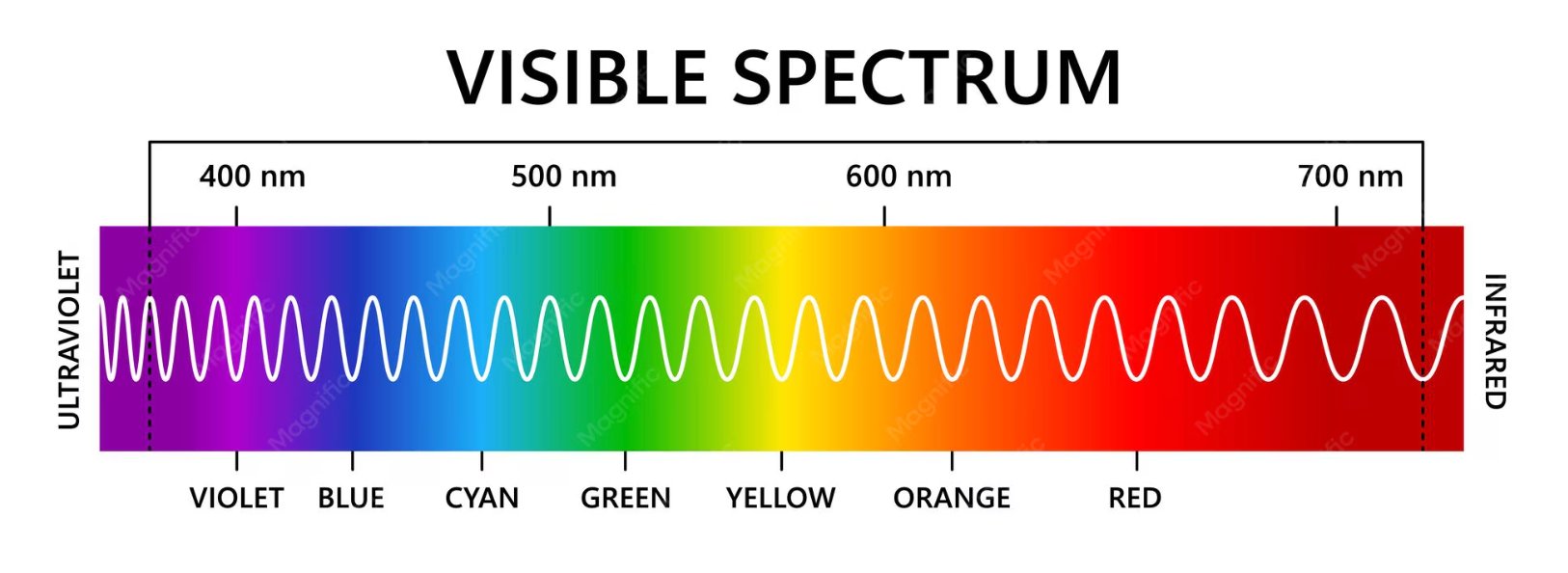
The term “red light” itself refers to light with a wavelength between 620 and 750 nanometers. Red light therapy refers to the application of these frequencies to the human body to support skin benefits and positive health outcomes.
What is a wavelength in light?
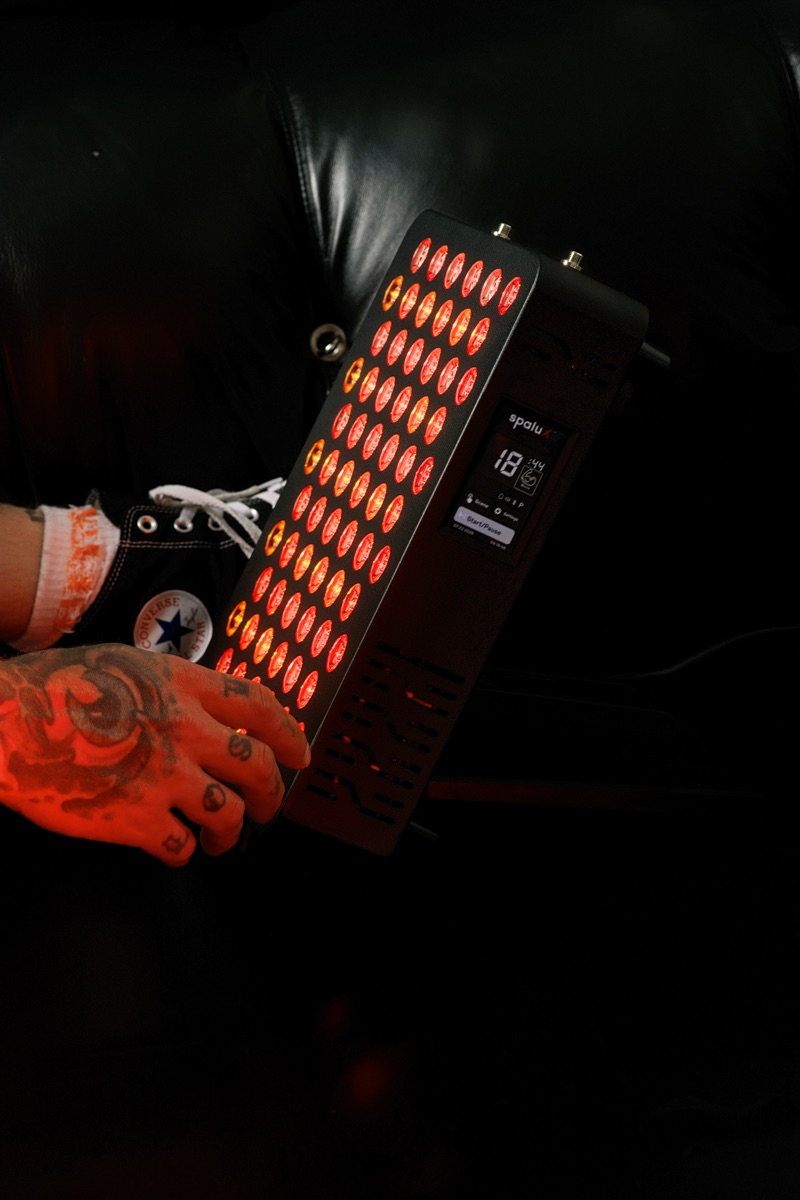
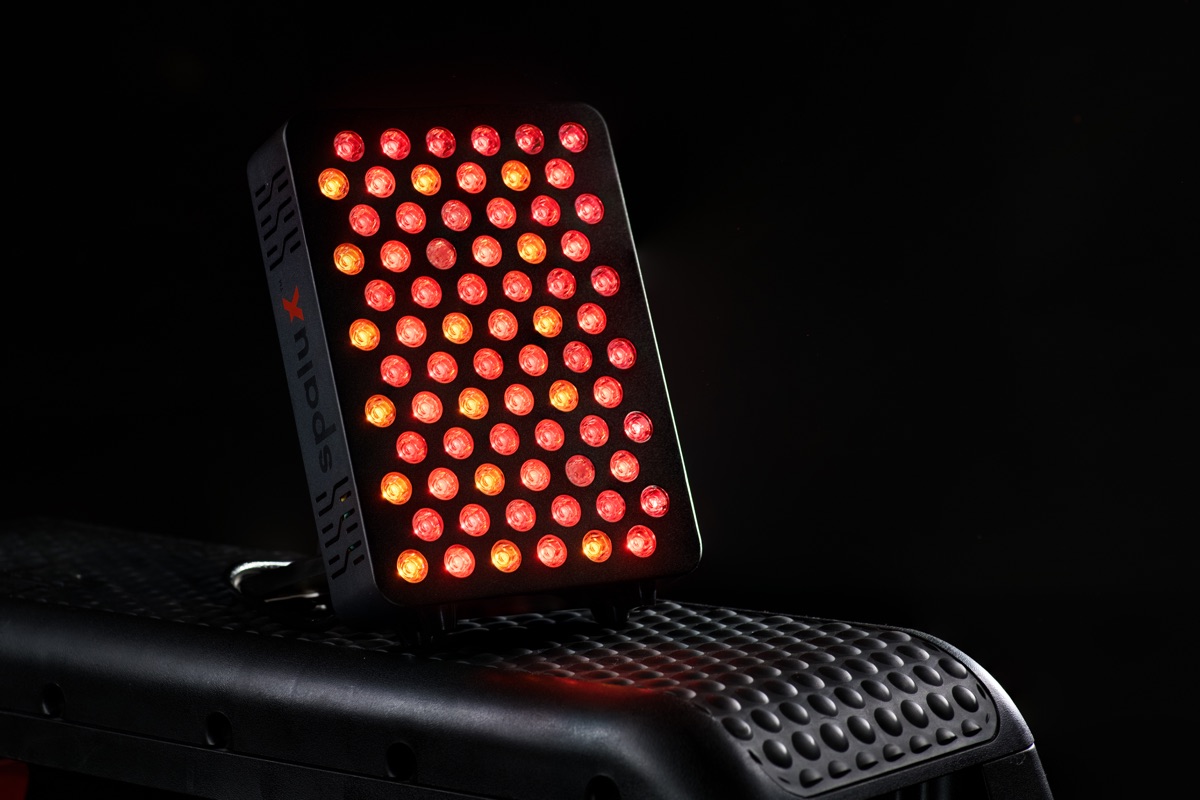
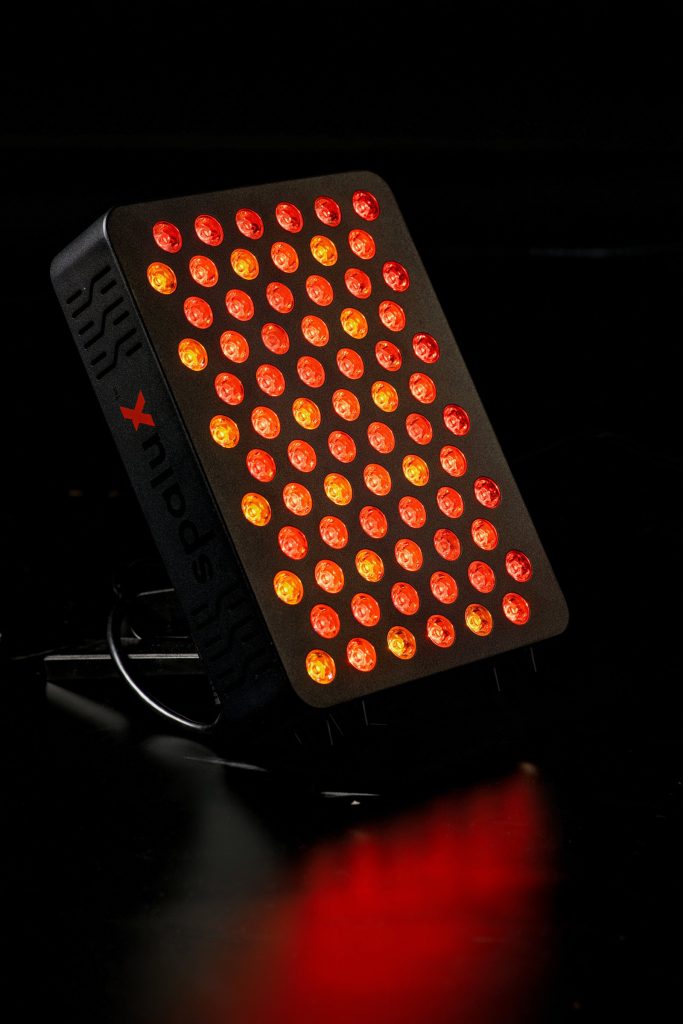
Light is energy, and energy travels in waves. The electromagnetic spectrum classifies types of light based on the distance between the peaks and valleys of these waves. While red light is visible to the naked human eye, near-infrared light is between visible light and microwaves on the electromagnetic spectrum (about 700 to 1000 nanometers.) The Spalux™ Glow offers all three classifications: red light, near infrared, and infrared, for better penetration into the skin.
What are the benefits of red light therapy?
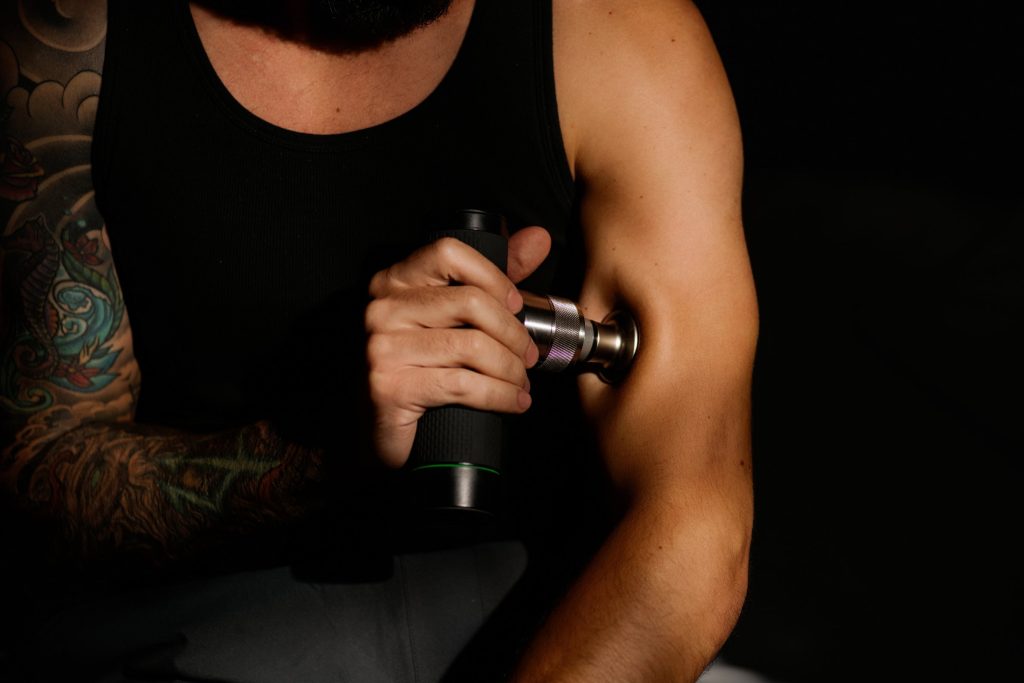
Red light therapy has been shown to help aid muscle recovery, support wound healing, and potentially promote improvement of photoaging and sun damage, support hair growth and regrowth, reduce acne, and fade scars. This is due to the way red light interacts with our bodies at a cellular level.
Mitochondria are the organelles inside every cell in your body that make energy to carry out the cells’ functions. When your cells are exposed to red light, the mitochondria are stimulated to better metabolize energy. With this additional energy, your cells can better perform their core functions, whether producing collagen or carrying oxygen to your muscles.
This energy increasing effect is what makes red light effective. It’s also why you may have heard red light therapy referred to as photobiomodulation, the use of light to affect our biological processes. It’s an outside influence that can actually improve the chemical reactions your cells use to perform every function in your body.
How do I use this device?
There are two keys to using red light in a way that will be beneficial: dose and consistency.
The benefits of red light are highly dose dependent. Too little won’t show effects, and too much can have the opposite effect and slow down the energy production of your cells. More is not necessarily better when it comes to red light therapy.
The ideal dose for many people is between 28 and 34 milliwatts per square centimetre, though this varies significantly based on your body, your use case, the distance at which you use the device, and many other factors. It’s best to start slow, with shorter sessions, and gradually increase your usage if desired depending on how you feel.
The second key is consistency over time. The majority of studies that show benefits had participants use their red light panels for at least 10 minutes at a time, once to twice a day. Nothing will show results if you don’t stay consistent over time. A slow and steady practice that builds a habit is the sure way to see the benefits you want.
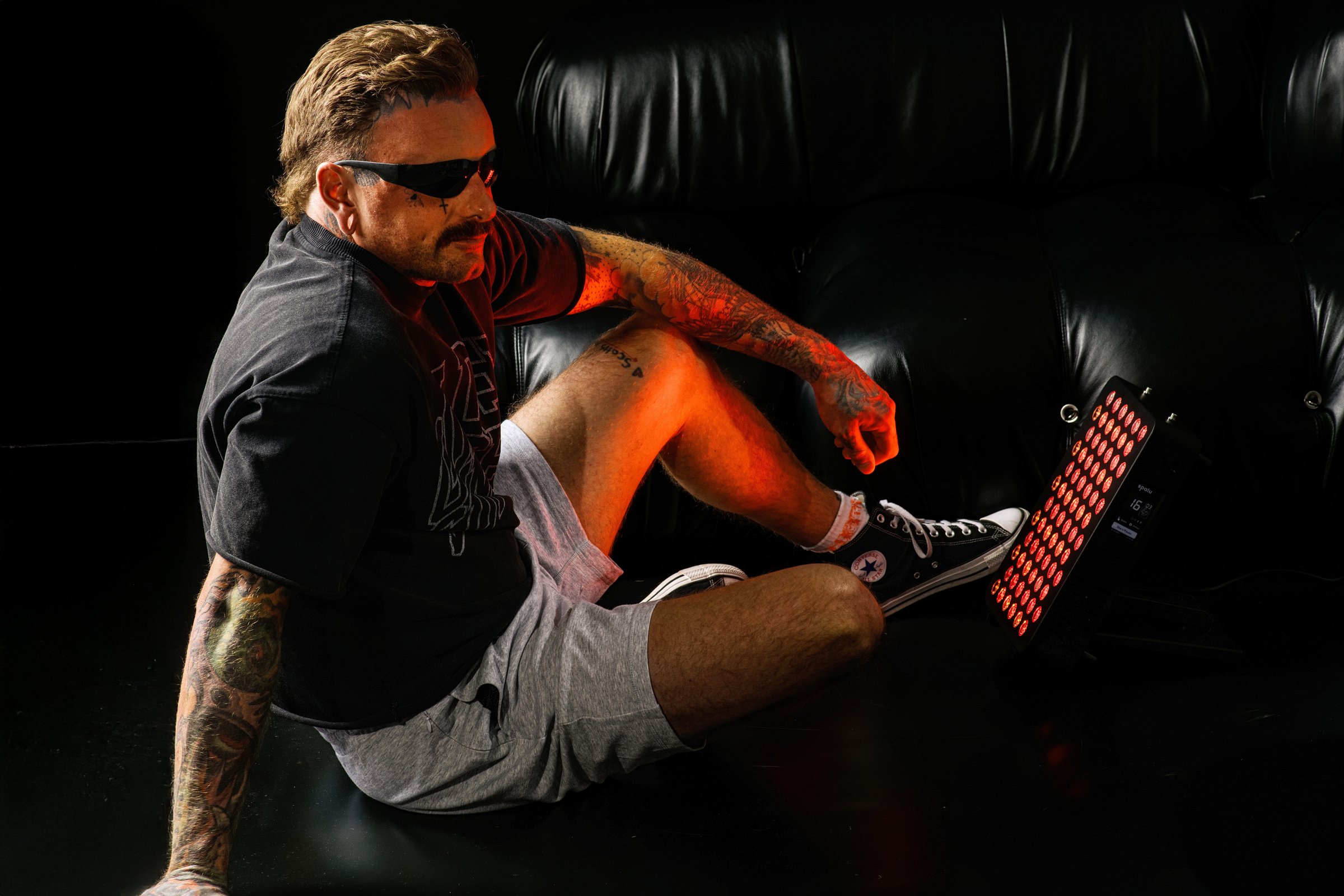
The skincare benefits of red light happen because red light therapy inhibits matrix metalloproteinases, or MMPs, the main enzymes that break down collagen and elastin in our skin as we age. Collagen breakdown is a lifelong biological process, and supporting collagen renewal with red light is a lifelong process too.
Are any precautions necessary when using red light?
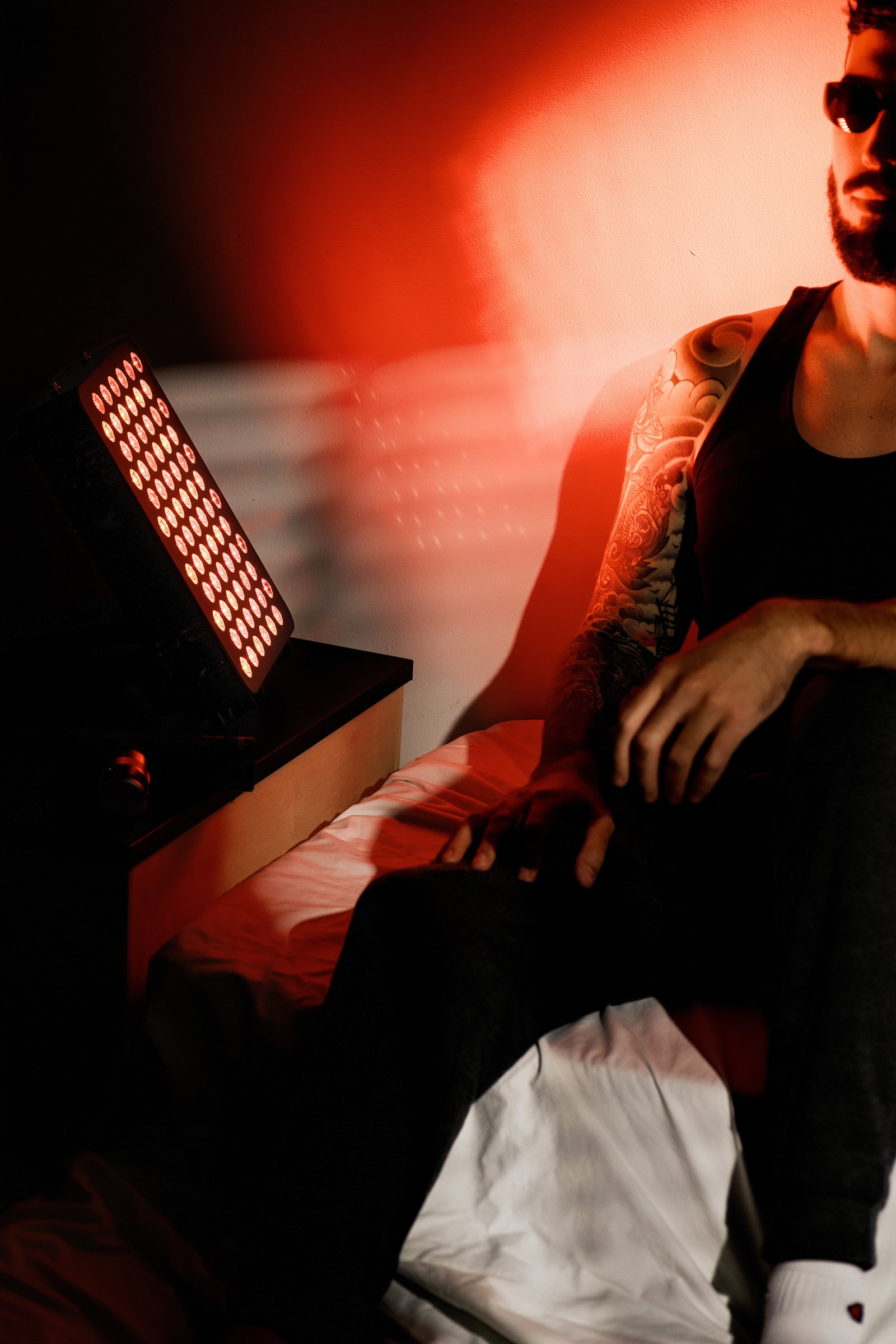
As long as it’s used at the recommended dose and power level, red light is generally safe for both the skin and eyes. That being said, overexposure can have the opposite of the desired effect. Please make sure to position your Spalux™ Glow device at least the recommended distance from the body area you want to treat, according to your User Guide. It is also highly recommended to use the provided safety eyewear when using your device.
In addition, while there isn’t abundant research to show this, some studies have shown exposure to red light in children can lead to reduced vision and fewer light-receiving cones in their eyes as they develop. Spalux™ products are not recommended for use by children.
Where can I learn more about this?
If you have any questions about Spalux™, our mission, or our products; please refer to our FAQ page or feel free to reach out to us at info@spalux.ca.
Sources
- Stout R, Birch-Machin M. Mitochondria’s Role in Skin Ageing. Biology (Basel). 2019 May 11;8(2):29. doi: 10.3390/biology8020029. PMID: 31083540; PMCID: PMC6627661.
- Avci P, Gupta A, Sadasivam M, Vecchio D, Pam Z, Pam N, Hamblin MR. Low-level laser (light) therapy (LLLT) in skin: stimulating, healing, restoring. Semin Cutan Med Surg. 2013 Mar;32(1):41-52. PMID: 24049929; PMCID: PMC4126803.
- Hamblin MR. Mechanisms and applications of the anti-inflammatory effects of photobiomodulation. AIMS Biophys. 2017;4(3):337-361. doi: 10.3934/biophy.2017.4.337. PMID: 28748217; PMCID: PMC5523874.
- Chung H, Dai T, Sharma SK, Huang YY, Carroll JD, Hamblin MR. The nuts and bolts of low-level laser (light) therapy. Ann Biomed Eng. 2012 Feb;40(2):516-33. doi: 10.1007/s10439-011-0454-7. PMID: 22045511; PMCID: PMC3288797.
- Huang YY, Chen AC, Carroll JD, Hamblin MR. Biphasic dose response in low level light therapy. Dose Response. 2009 Sep 1;7(4):358-83. doi: 10.2203/dose-response.09-027.Hamblin. PMID: 20011653; PMCID: PMC2790317.
- Maghfour J, Mineroff J, Ozog DM, et al. Evidence-based consensus on the clinical application of photobiomodulation. J Am Acad Dermatol. 2025 Aug;93(2):429-443. doi: 10.1016/j.jaad.2025.04.031. PMID: 40253006.
- Ferraresi C, Kaippert B, Avci P, et al. Low-level laser (light) therapy increases mitochondrial membrane potential and ATP synthesis in C2C12 myotubes with a peak response at 3-6 h. Photochem Photobiol. 2015 Mar-Apr;91(2):411-6. doi: 10.1111/php.12397. PMID: 25443662; PMCID: PMC4355185.
- Leyane TS, Jere SW, Houreld NN. Cellular Signalling and Photobiomodulation in Chronic Wound Repair. Int J Mol Sci. 2021 Oct 18;22(20):11223. doi: 10.3390/ijms222011223. PMID: 34681882; PMCID: PMC8537491.
- Barolet AC, Villarreal AM, Jfri A, Litvinov IV, Barolet D. Low-Intensity Visible and Near-Infrared Light-Induced Cell Signaling Pathways in the Skin: A Comprehensive Review. Photobiomodul Photomed Laser Surg. 2023 Apr;41(4):147-166. doi: 10.1089/photob.2022.0127. PMID: 37074309.
- Mosca RC, Santos SN, Nogueira GEC, et al. (2022). The Efficacy of Photobiomodulation Therapy in Improving Tissue Resilience and Healing of Radiation Skin Damage. Photonics, 9(1), 10. https://doi.org/10.3390/photonics9010010
- Ferraresi C, Huang YY, Hamblin MR. Photobiomodulation in human muscle tissue: an advantage in sports performance? J Biophotonics. 2016 Dec;9(11-12):1273-1299. doi: 10.1002/jbio.201600176. PMID: 27874264; PMCID: PMC5167494.
- Shinhmar H, Hogg C, Neveu M, et al. Weeklong improved colour contrasts sensitivity after single 670 nm exposures associated with enhanced mitochondrial function. Sci Rep 11, 22872 (2021). https://doi.org/10.1038/s41598-021-02311-1
- Mak MC, Cheing GL. Immediate effects of monochromatic infrared energy on microcirculation in healthy subjects. Photomed Laser Surg. 2012 Apr;30(4):193-9. doi: 10.1089/pho.2011.3012. PMID: 22220935.